Caring for Welsh Slate Roofs on Liverpool Terraces
The odds are good that the roof over your Liverpool home is Welsh slate, and that it's been up there longer than anyone now living in the house. The terraces that fill Toxteth, Wavertree, Anfield, and Kensington were roofed in slate when they went up, and much of that slate is still doing its job a century or more later.
Slate is a superb roofing material, but a coastal city gives it a hard life, and it needs handling with care. Clean it the wrong way and you'll crack it. Clean it right and it'll keep the Mersey weather out for decades more. Here's what every Liverpool slate owner should know.
The quick answer: Welsh slate on Liverpool terraces is tough but grows brittle with age and salt exposure, so it needs gentle low-pressure soft washing, never a pressure washer, which strips the surface, cracks slates, and drives water underneath.
1. Why Liverpool Is a City of Welsh Slate
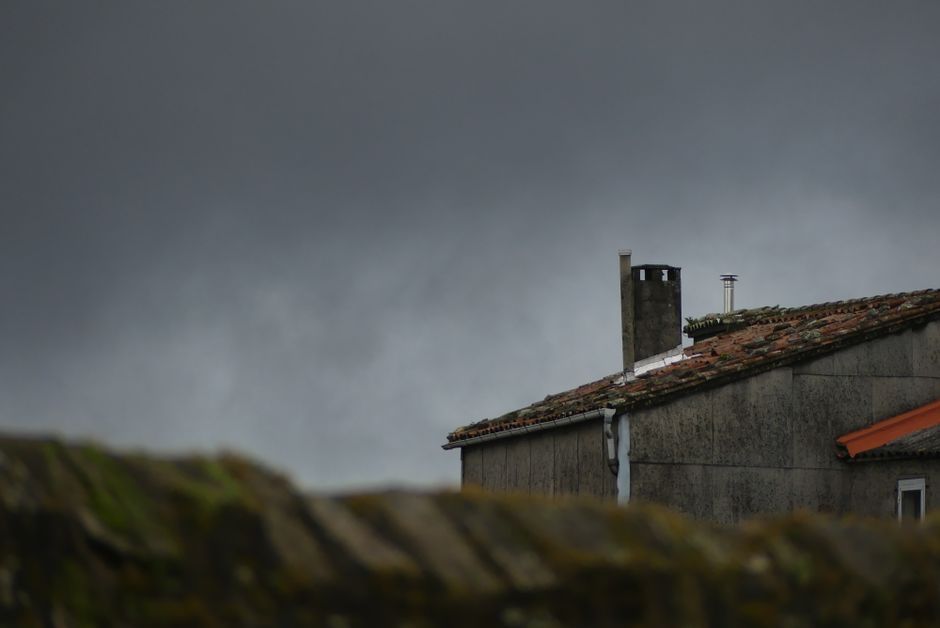
When Liverpool grew fast in the Victorian era, thousands of terraces went up to house dock workers and their families. They needed a roof covering that was cheap, light, and waterproof, and with the Welsh quarries just across the water, Welsh slate was the obvious choice, easy to ship in by sea and rail.
That's why the older parts of the city share that grey-blue roofline running street after street. Your slate has likely been up there since the terrace was first built, which tells you how durable it is. It also tells you it's now well over a century old and needs care that respects its age.
2. Salt and Storms Age Slate Faster Here
Century-old slate is fragile everywhere, but Liverpool's coastal setting hurries things along. Constant salt in the sea air wears at the surface, and repeated Atlantic storms drive rain and wind at the slates year after year. The slate starts to delaminate, flaking into thin layers, and grows more brittle over time.
You can often spot the wear from the ground. Slates that look flaky at the edges, or have a powdery, crumbling surface, have begun breaking down. These are exactly the ones that shatter under a careless boot or a blast from a pressure washer. Any cleaning has to account for how delicate old coastal slate becomes.
3. Why a Pressure Washer Ruins Slate
It's tempting to think a powerful jet is the quickest way to shift moss. On Liverpool slate, that jet does real harm. High pressure strips the weathered outer layer off the slate, speeding up the delamination that salt and storms have already started.
It gets worse. The force drives water up under the slates and into the roof timbers, and it can crack or dislodge slates outright. You end up with a roof that looks clean for a season, then starts leaking and shedding slates in the next gale. On old Welsh slate, a pressure washer causes far more trouble than the moss ever did.
4. Soft Washing Is the Slate-Safe Method
Soft washing uses a low-pressure spray and a treatment that kills moss, algae, and lichen at the root. No hammering jet, no scraping, no cracked slates. The solution does the work, and the growth dies off and washes away over the following weeks.
This is the method built for exactly the kind of aged, weather-worn slate you find across Liverpool. It clears the moss, protects the surface, and leaves the slate intact. For a roof that's already survived a century of coastal storms, gentle is the only sensible way to treat it.
5. Watch the Flashing, Ridges, and Fixings
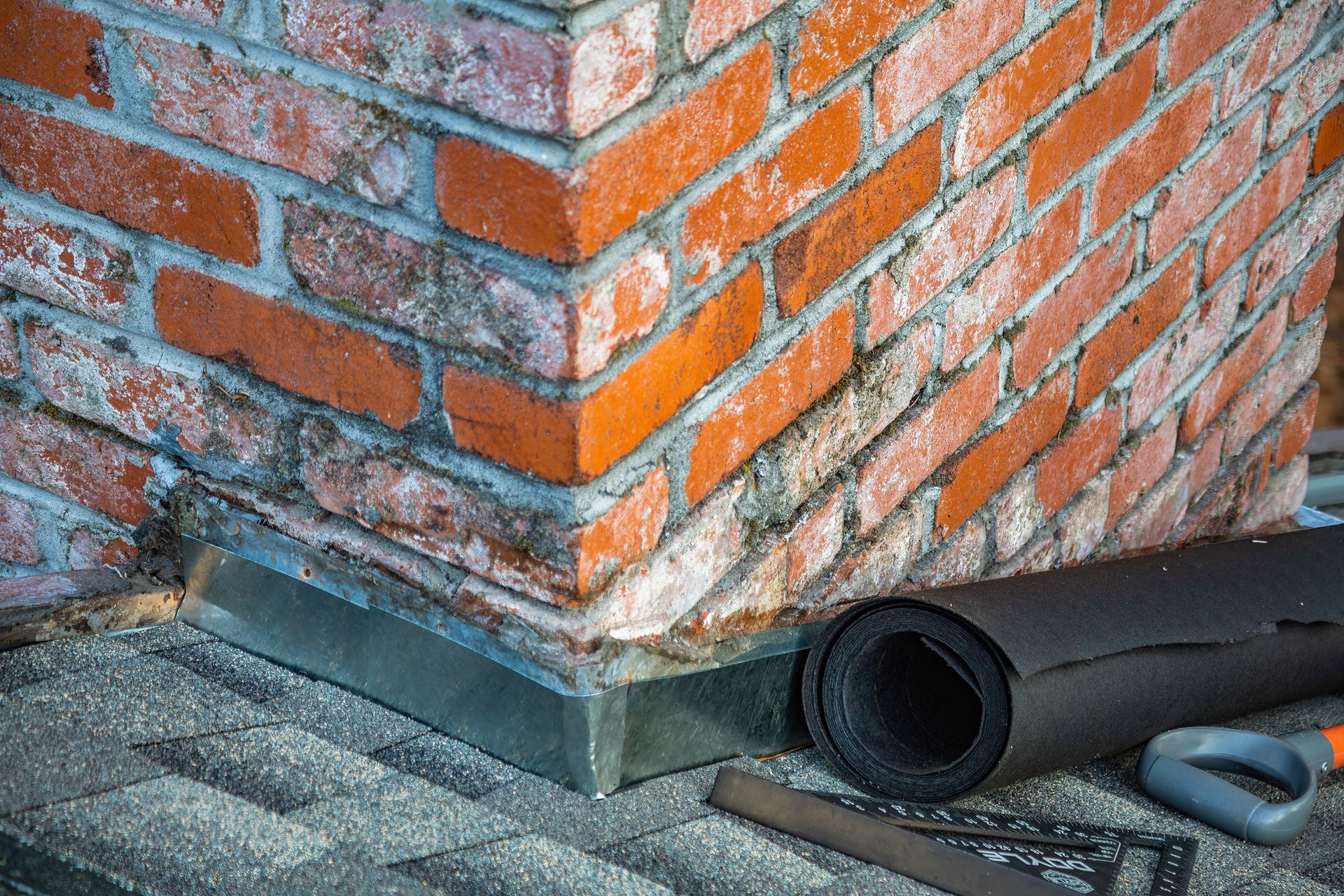
Slate isn't the only thing ageing up there, and in a salt-air city the metalwork suffers most. The lead flashing around chimneys, the nails holding the slates, and the mortar bedding the ridge tiles all corrode and decay faster near the coast. Heavy moss holding damp against these joints only speeds it up.
A proper roof clean is the moment to spot a cracked ridge tile, crumbling mortar, corroded fixings, or slipped lead. Liverpool's storms find these weak points fast. Catching them while someone's safely up there saves a much bigger repair when a small gap turns into a leak during the next big blow.
6. What Regular Care Looks Like
Looking after old coastal slate is straightforward. A soft wash every two to three years stops moss building into a thick, damaging layer. A biocide treatment slows regrowth. Keeping gutters clear stops water backing up under the lowest slates, and a check after big storms catches any wind damage early.
Here's what to keep an eye on with a slate roof:
- Slipped or missing slates: gaps in the roofline, common after Liverpool storms, need replacing before rain gets in.
- Flaky, powdery slates: a sign the surface is delaminating and those slates are near the end of their life.
- Corroded or slipped flashing: the lead around chimneys takes a beating from salt air and wind.
- Heavy moss on the shaded slope: the north side grows the most and should be cleaned before it lifts slate edges.
- Damp or staining in the loft: check under the roof after heavy rain for any sign water is getting through.
Frequently Asked Questions
How long does a Welsh slate roof last by the coast?
Well maintained, Welsh slate lasts well over a century even in a coastal city, which is why so many original Liverpool terrace roofs survive. Salt and storms shorten that only if the roof is neglected or roughly cleaned.
Can slipped slates be replaced individually?
Yes. A good roofer can swap out cracked or slipped slates without redoing the whole roof, matching them as closely as possible. After a storm season it's a common, straightforward job.
Is soft washing safe on really old slate?
It's the safest option there is. Low pressure means no impact on fragile slate, and the treatment kills growth without anyone scrubbing or scraping the surface.
My neighbour pressure washed theirs and it looked fine. Why not mine?
It may look fine for a while, but the damage is often invisible at first. Stripped slate weathers faster and water forced underneath can cause leaks that show up in the next storm.
Should I clean the slate or re-roof?
If the slates are sound, a clean is far cheaper and keeps the original roof going. Only widespread delamination and repeated leaks point toward re-roofing, and a proper inspection tells you which you're facing.
Want your slate roof cleaned without the risk of cracked tiles?
Ben's Roof Cleaning cleans and cares for slate roofs across Liverpool and Merseyside, with over 15 years of experience. Get in touch or call 0151 541 6960
for a free, no-obligation quote.
Treat the Slate Right and It'll Outlast the Storms
The Welsh slate on your Liverpool terrace has already seen off a century of Atlantic weather. Keep it clean with gentle soft washing, deal with slipped slates, tired mortar, and corroded flashing before they let water in, and it'll keep the rain out for another lifetime. Rough treatment is the one thing that shortens a slate roof's life by the coast. Careful maintenance keeps it standing.