Why Liverpool's Coastal Weather Is Hard on Your Roof
If you live in Liverpool, you know the weather doesn't do things by halves. One day it's still and grey, the next there's a gale blowing straight in off the Irish Sea, hurling rain sideways at the house. Your roof stands in the way of all of it, and over the years that takes a toll.
Whether your place is a terrace in Wavertree or a semi out toward Aigburth, the city's coastal weather shapes what happens up on your roof. Understanding what it's up against helps you keep it sound. Here's why Liverpool roofs have such a hard time of it.
The quick answer: Liverpool roofs take a beating because Atlantic storms drive rain deep into the slates, salt-laden sea wind wears surfaces and joints, and the steady damp off the Mersey keeps roofs wet enough for moss to thrive year-round.
1. Atlantic Storms Drive Rain Into Everything
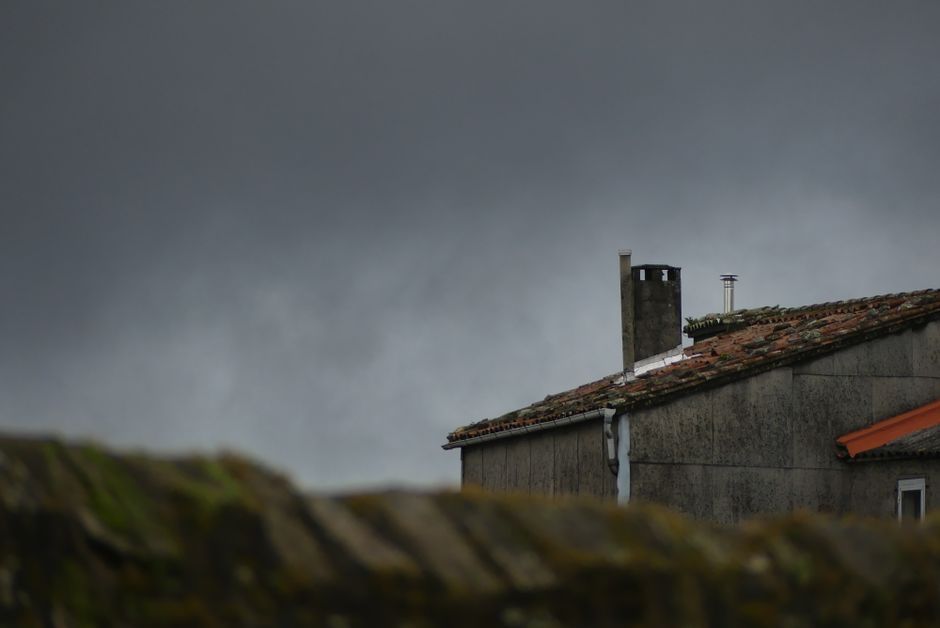
Liverpool sits right in the path of weather rolling in off the Atlantic and the Irish Sea. When a storm hits, the rain doesn't just fall, it's driven horizontally by the wind, forcing its way into gaps that vertical rain would never reach.
That wind-driven rain works under slate edges, past worn flashing, and into any crack the roof has. A roof that copes fine with ordinary drizzle can let water in during a proper Liverpool blow. It's why keeping slates, ridges, and flashing in good order matters more here than in sheltered inland towns.
2. Salt in the Air Wears Things Down
Being this close to the coast means the wind carries salt. You might notice it on car windscreens or garden furniture, and your roof gets the same treatment. Salt is mildly corrosive and it never really washes away for good, just keeps coming with the next sea breeze.
Over time, salt-laden air wears at the surface of slates and speeds up corrosion of any metal up there, from nails to flashing to gutter fixings. It's a slow process, but it's constant, and it's one reason Liverpool roofs and their fittings age a little faster than those well inland.
3. Damp Off the Mersey Feeds the Moss
The river and the sea keep the air around Liverpool humid. Combine that with the city's regular rainfall, which runs higher than much of eastern England at around 800mm a year, and roofs here rarely get a proper chance to dry out.
Moss lives on that steady moisture. A roof that stays damp for days on end is exactly what it wants, and Liverpool's maritime climate provides it for much of the year. That's why so many roofs across the city carry heavy moss, especially on the slopes that see little sun.
4. Shaded Terrace Slopes Stay Green
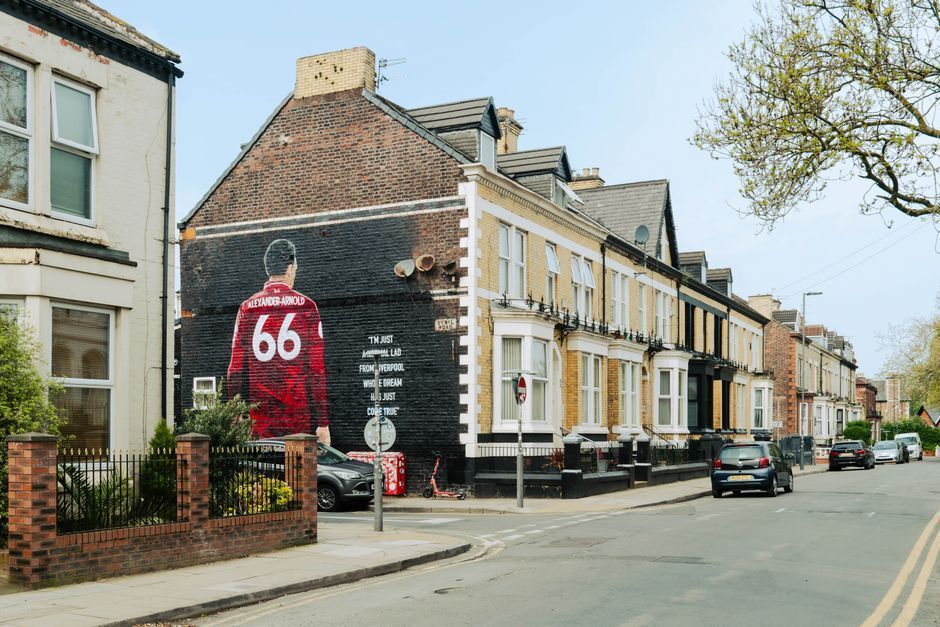
Liverpool is a city of Victorian terraces, and half of every terraced roof faces away from the sun. North and east-facing slopes get little direct light, especially through the darker months, so they stay cool and damp far longer.
Sun is what dries a roof and holds moss back. A slope that barely sees it stays green year-round. Walk down a street in Toxteth or Kensington and you'll often see one side of a roof thick with moss while the sunnier side stays clearer, even on the same house.
5. Old Welsh Slate Gives Moss Its Grip
Wales is just across the water, so when Liverpool's terraces went up in the Victorian boom, Welsh slate was the natural, cheap choice. Most of the city's older housing still wears it, and that slate is a century old or more now.
Age matters. Decades of storms and salt leave the slate surface rough and pitted, and every tiny groove gives a moss spore somewhere to root. Newer glazed tiles shed spores more easily. The weathered slate on a Liverpool terrace is an open invitation for moss to settle and spread.
6. Once It Takes Hold, It Gets Worse Fast
Moss doesn't stay put. It throws off spores that the Liverpool wind spreads across the whole roof, and every clump holds water against the slate beneath it. That trapped water, driven by storms and held by moss, works into gaps and lifts slate edges over time.
Here are the signs the weather and moss have moved past a cosmetic problem:
- Moss clumps in the gutters: spongy lumps washing down and blocking the flow, backing water toward your walls.
- Slates slipped after a storm: gaps in the roofline where wind has lifted or shifted slates.
- Green streaks down the roof: growth spreading from the ridge, worst on the shaded side.
- Damp patches staying dark: areas holding moisture long after the rest has dried.
- Damp on upstairs ceilings: wind-driven rain finding its way in where the roof has weakened.
Frequently Asked Questions
Does the sea air really damage my roof?
Over time, yes. Salt in the wind slowly wears slate surfaces and corrodes metal fittings like nails and flashing. It's gradual, but combined with storms and damp it ages a Liverpool roof faster than an inland one.
Is moss worse in a coastal city?
It can be. The constant humidity off the Mersey and the Irish Sea keeps roofs damp, which is exactly what moss needs. Liverpool's higher rainfall adds to it, so heavy moss is common here.
How often should a Liverpool roof be cleaned?
Most benefit from a clean every two to three years. Exposed or shaded roofs, and those under trees, may need it sooner. A look each autumn tells you how yours is holding up.
Can I clean the moss off myself?
Better not. Terraced roofs are high and steep, wet slate is treacherous, and hard scraping damages the surface. Professional soft washing clears moss safely without the fall risk.
Should I check my roof after a big storm?
Yes. After a strong Liverpool blow, glance up for slipped or missing slates and check for any new damp inside. Catching storm damage early stops a small gap becoming a leak.
Is the coastal weather getting the better of your roof?
Ben's Roof Cleaning cleans roofs and clears gutters across Liverpool and Merseyside, with over 15 years of experience. Get in touch or call 0151 541 6960
for a free, no-obligation quote.
Liverpool Weather Won't Ease Up, So Keep Your Roof Ready
The storms, the salt, and the damp off the Mersey are part of living here, and they're not about to change. What you can do is stop them turning into real damage. A roof kept clean, with moss cleared and slates and flashing sound, shrugs off the worst the Liverpool weather throws at it. Let it slide, and the sea air and storms will find every weak spot.