Soft Washing vs Pressure Washing a Liverpool Roof
You've decided the moss on your Liverpool roof has to go. Good. The next question trips up a lot of homeowners: should the roof be pressure washed or soft washed? They sound like much the same thing. They're not. One is safe for the aged slate on most Liverpool houses. The other can do lasting damage.
This choice matters more in a coastal city than most, because so much of Liverpool's housing wears old Welsh slate that salt and storms have already weathered. Let's walk through what each method really does, so you can decide with your eyes open.
The quick answer: Soft washing is the safe choice for nearly every Liverpool roof. It uses low pressure and a moss-killing treatment. Pressure washing shifts moss fast but strips slate, cracks it, and forces water into the roof, so it's rarely worth the risk.
1. What Pressure Washing Does to a Roof
Pressure washing fires water at the roof at high force, physically blasting moss, dirt, and grime off the surface. It's quick and the before-and-after looks dramatic, which is exactly why it tempts people.
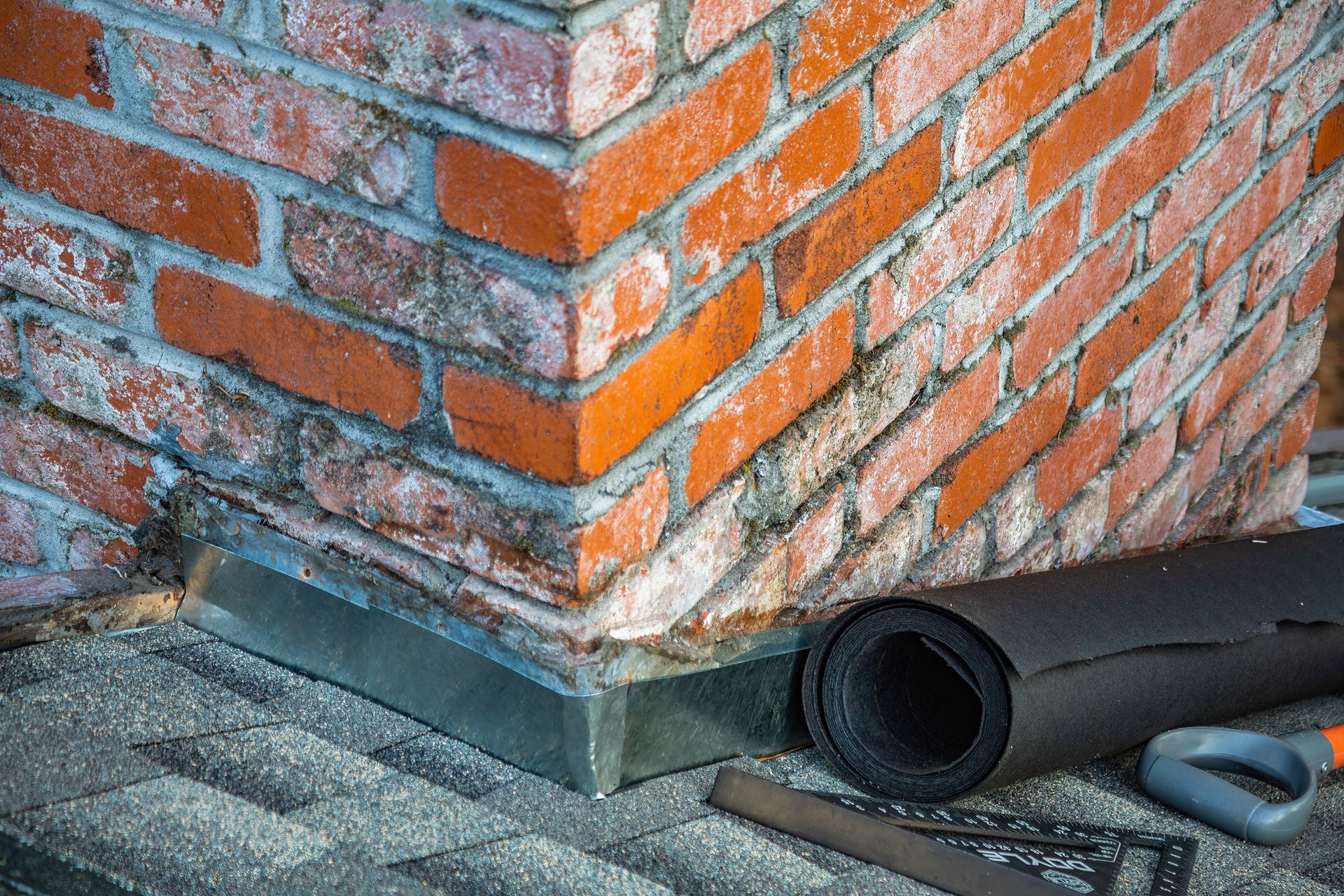
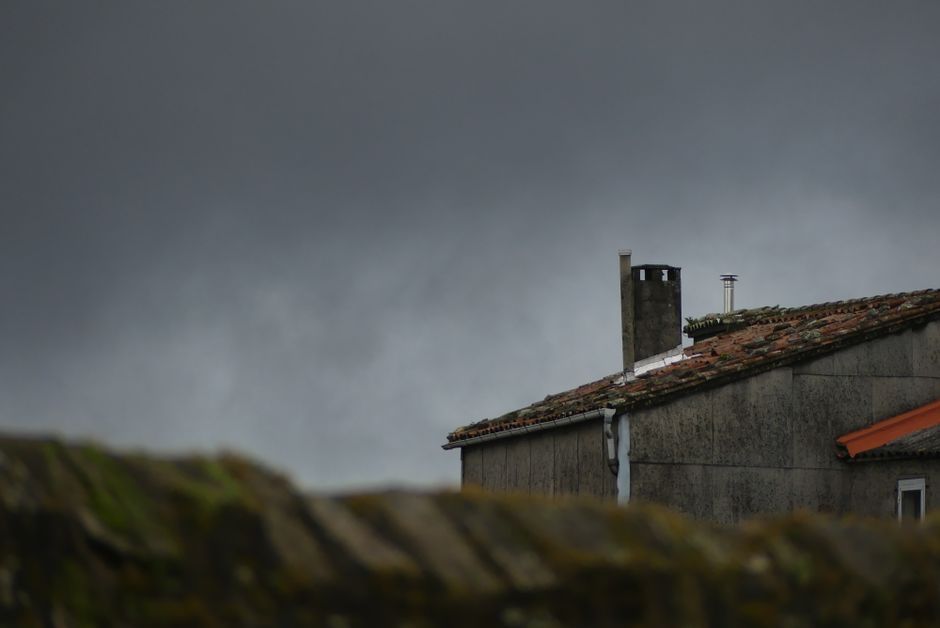
The problem is what that force does underneath. On the century-old slate common across Liverpool, already softened by years of salt and storms, a high-pressure jet strips the weathered surface, opens the slate to faster decay, and can crack or shift tiles. It also drives water up under the slates, where you never want it. Cheap and fast today, expensive tomorrow.
2. What Soft Washing Does Instead
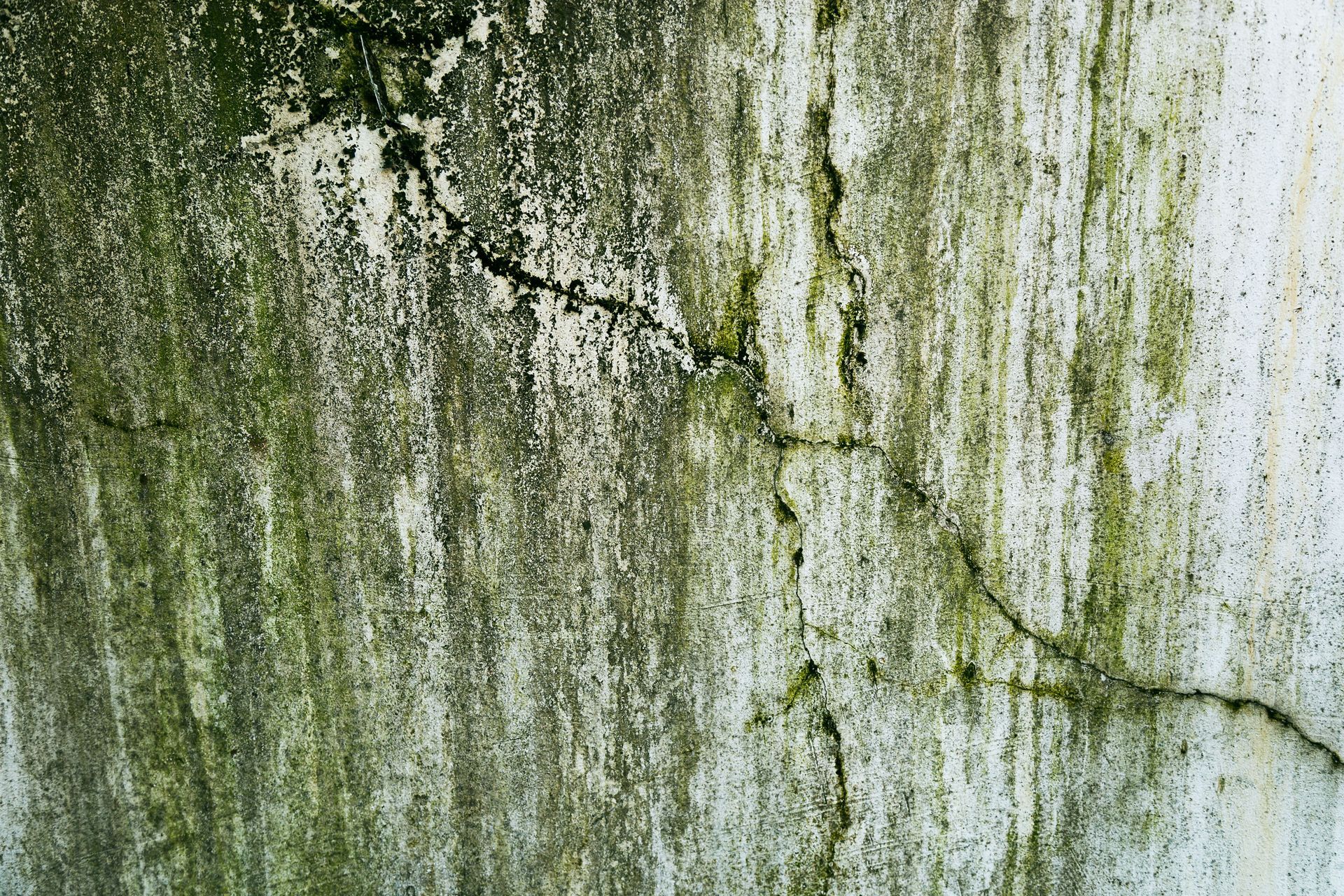
Soft washing works the other way round. It uses a gentle, low-pressure spray to apply a treatment that kills moss, algae, and lichen down at the root. No pounding, no scraping. The growth dies off and weathers away over the following weeks, so the roof keeps getting cleaner after the visit.
With no force involved, there's no risk to the slate. The treatment does the work chemically rather than mechanically. For the old, fragile roofs you find all over Liverpool, that's the whole point.
3. Why Liverpool Roofs Need the Gentle Route
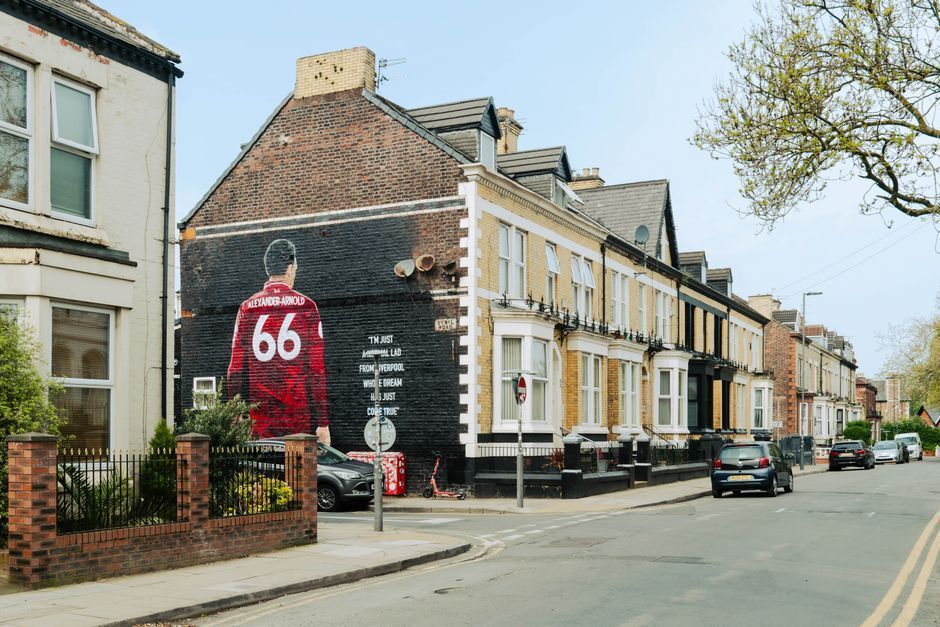
This isn't a general preference. It's about the actual roofs on Liverpool streets. The Victorian terraces that make up so much of the city are topped with Welsh slate that's often more than a hundred years old and has been worn brittle by a century of coastal weather.
Blast that slate with a pressure washer and you speed up the flaking and cracking that salt and storms have already begun. Soft washing avoids all of it. Given how much of Liverpool's housing is aged, salt-worn slate, the gentle method isn't the cautious option so much as the only one that makes sense.
4. The Damage That Shows Up Later
What makes pressure washing so deceptive is that much of the harm doesn't show on the day. Cracked and stripped slates weather faster, so they start failing months later, often in the next storm. Water forced under the slates can rot the battens and timbers, and appear as damp patches on your ceilings that winter.
People often blame bad luck for the leaks that follow, without linking them to the cleaning. On Liverpool slate, that link is very real. The damage is just slow enough to seem unrelated.
5. When a Roof Really Is Past Cleaning
Soft washing handles the vast majority of Liverpool roofs, but not every roof is worth cleaning. If slates are already widely cracked, delaminating, or missing, a clean is only a patch on a bigger problem, and a proper inspection may point toward repairs or partial re-roofing first.
A good roof cleaner tells you honestly which situation you're in. Cleaning a sound roof is money well spent. Cleaning one that needs structural work just delays the inevitable, and an honest look tells you which is which.
6. Choosing Who Cleans Your Roof
The method matters, and so does who's holding the equipment. Plenty of outfits will pressure wash anything because it's fast and takes little skill. Fewer take the time to soft wash properly and treat the roof to last through Liverpool's weather.
Here's what to look for in a Liverpool roof cleaner:
- They lead with soft washing: anyone reaching straight for a pressure washer on old slate should give you pause.
- They know local roofs: a cleaner who understands Welsh slate and coastal terraces will treat yours correctly.
- They include a biocide treatment: killing the spores is what makes a clean last, not just rinsing the surface.
- They're insured and careful: working at height on a terrace, often in wind, demands proper safety and cover.
- They give an honest assessment: a good one tells you if the roof needs repair before a clean is worthwhile.
Frequently Asked Questions
Is soft washing as effective as pressure washing?
Yes, and it lasts longer. Pressure washing removes surface moss instantly but leaves the spores. Soft washing kills the growth at the root, so the roof stays cleaner for years rather than months.
Why does soft washing take longer to look clean?
The treatment kills the moss, then rain and weather wash it away over a few weeks. The roof keeps improving after the visit, rather than being blasted bare in one go.
Is pressure washing ever the right choice?
Rarely on a roof. It has its place on hard surfaces like patios and concrete drives, but on aged Liverpool slate the risks almost always outweigh the speed.
Will soft washing harm my plants or guttering?
A careful operator protects planting and rinses down as they go. The low pressure is gentle on gutters and downpipes too, unlike a heavy jet.
How long does a soft wash last on a Liverpool roof?
Usually two to three years before moss starts returning, longer with a good biocide treatment. Exposed, shaded, or tree-covered roofs may need attention a little sooner.
Not sure which method your roof needs?
Ben's Roof Cleaning soft washes roofs safely across Liverpool and Merseyside, with over 15 years of experience. Get in touch or call 0151 541 6960
for a free, no-obligation quote.
On a Liverpool Roof, Gentle Wins Every Time
It comes down to this: a fast blast that risks your slate, or a gentle treatment that clears the moss and protects the roof for years. On the aged, salt-worn Welsh slate that covers most of Liverpool, soft washing is the clear winner. Your roof has lasted this long by being looked after, not battered. Keep it that way.