Giving Your Liverpool Roof a Spring Check After Winter
You made it through another Liverpool winter, and so, hopefully, did your roof. But the months of storms, driving rain, and frost that just passed are exactly the sort of weather that loosens slates and lets moss dig in, and the damage doesn't always announce itself.
Spring is the natural time to take stock. The worst of the weather is behind you, the days are longer, and anything you spot now can be sorted before it turns into a summer leak or an autumn emergency. Here's a straightforward spring check to run over your roof after a hard Merseyside winter.
The quick answer: A spring roof check means looking for slipped or cracked slates, moss build-up, blocked gutters, and damaged flashing, so you can fix small winter damage before it becomes a bigger problem.

1. Look for Slipped and Cracked Slates
Start from the ground with a good look up at the whole roof. You're checking for slates that have slipped out of line, gaps where one has come away entirely, and any that look cracked or lifted, all of which let water in once the rain returns.
Liverpool's winter storms are hard on old slate. The gusts that funnel between terraced rows in Anfield and Kensington work at any slate that was already loose, so a nail that finally gave up in a February gale often shows as a slipped tile you only notice in spring.
2. Check the Moss Situation
Winter is prime growing season for moss, so spring is when you see how much has taken hold. Look along the ridges, in the shaded valleys, and on the north-facing slope, where damp lingers longest and growth is usually thickest.
The coastal damp means Liverpool roofs green up fast over winter. A roof that looked clean in autumn can carry noticeable moss by spring, especially in the leafier southern suburbs, and clearing it now stops it holding moisture against the slate through the warmer months.
3. Clear and Inspect the Gutters
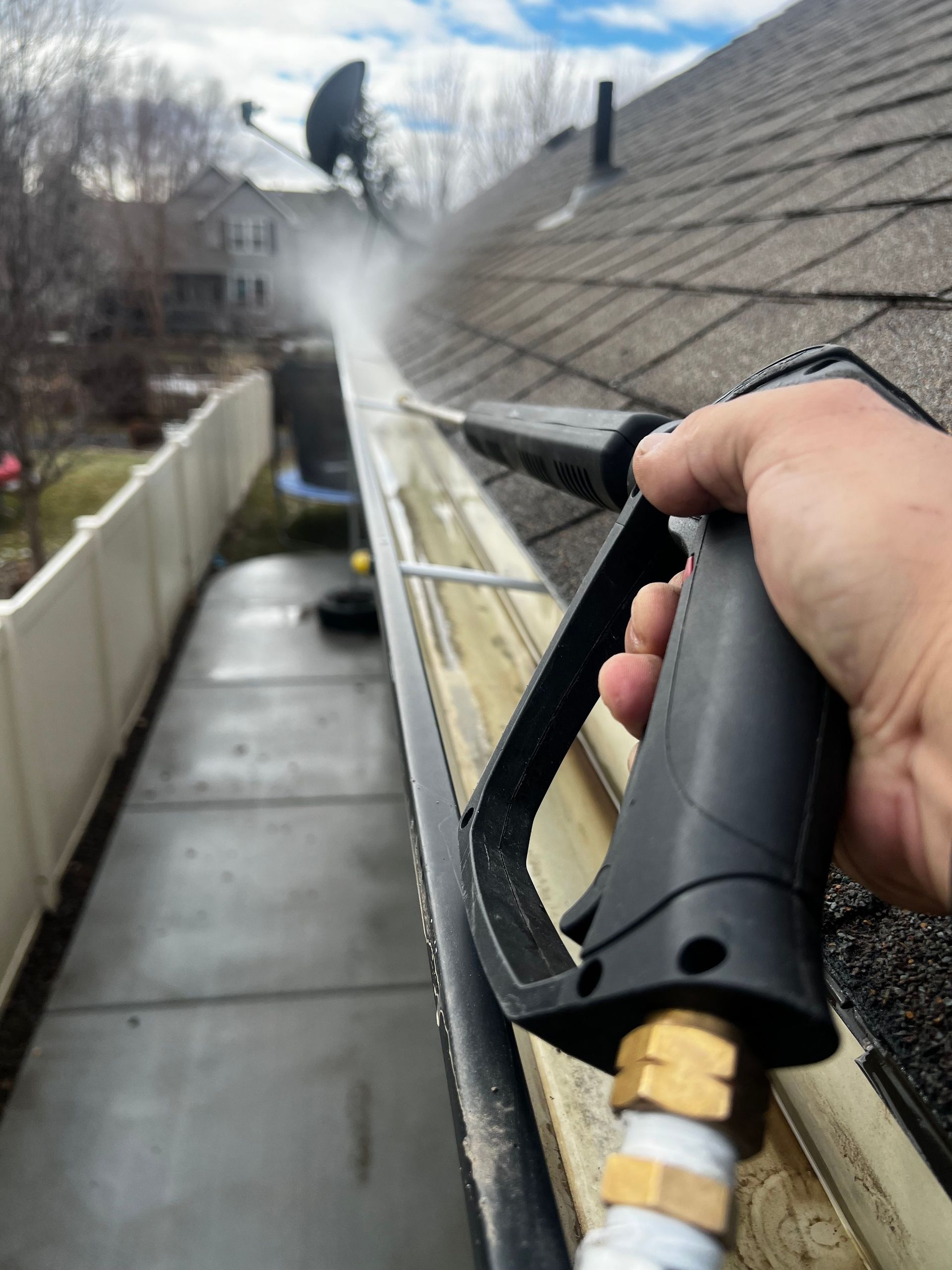
Gutters take a battering over winter, filling with the leaves, moss, and grit that wash down in every storm. Spring is the time to clear them out and check they still run freely to the downpipe, because a blocked gutter left now will overflow all summer.
While you're at it, look for sagging or pulled-away sections. The weight of wet debris and winter ice can loosen the brackets on an older Aigburth terrace, and a gutter that's dropped out of line won't drain properly even once it's clear.

4. Examine the Flashing and Chimney
The metal flashing around chimneys, valleys, and where roofs meet walls is a common winter casualty. Check for lead that's lifted, cracked, or pulled loose, and look at the mortar around the chimney and ridge for gaps that have opened up.
Salt in the coastal air corrodes these metal fixings faster in Liverpool than inland, so flashing here needs a closer eye. A little lifted lead around a Toxteth chimney stack is exactly the kind of small fault that lets water track in behind the brickwork if it's left.
5. Look for Signs of Water Inside
Don't forget to check indoors, particularly the loft. On a dry day, look up in the roof space for damp timbers, water stains on the felt, or daylight showing through where a slate has gone, all signs that winter found a way in.
Catching this early saves a lot. A small stain on a rafter after a wet Liverpool winter is a warning you can act on cheaply, whereas the same leak ignored until autumn can mean soaked insulation and a stained ceiling below.
6. Book the Jobs Worth Doing
Once you've looked things over, sort the jobs into what you can safely do and what needs a professional. Clearing a low gutter is one thing, but replacing slipped slates or cleaning a full roof means working at height, and that's not a spring DIY job on a wet terrace.
Getting it booked in spring means the work happens in the better weather rather than in a scramble come autumn. A roof clean and any small repairs done now leaves you set up for the summer and ready for whatever the next round of Atlantic storms brings.
- Slates: Check from the ground for slipped, cracked, or missing slates after winter storms.
- Moss: Look along ridges and shaded slopes where winter growth is thickest.
- Gutters: Clear out storm debris and check the runs still drain and haven't sagged.
- Flashing: Inspect lead and mortar around chimneys, which corrode faster near the coast.
- Inside: Check the loft for damp timbers, stains, or daylight showing through.
Frequently Asked Questions
Why check the roof in spring rather than any other time?
Because winter does the most damage, and spring lets you catch it early. Fixing slipped slates or moss now, in better weather, heads off leaks before the next wet season.
How can I check the roof without climbing up?
A lot can be seen from the ground with a careful look, and binoculars help. For anything closer, especially on a tall terrace, it's safer to have someone with proper access equipment take a look.
Does one winter really grow that much moss?
In Liverpool's damp climate, yes. Winter is peak growing season, so a roof can go from fairly clean to noticeably mossy over a single wet, mild winter, particularly on shaded slopes.
What winter damage is most commonly missed?
Lifted flashing and slipped slates high on the roof, which are hard to spot from below. They often go unnoticed until a stain appears inside, which is why a proper look matters.
Should I clean the roof as part of the spring check?
It's a good time for it. Clearing winter moss in spring protects the slate through the year and means any faults found during the clean can be sorted before summer.
Want your roof checked over after winter?
Ben's Roof Cleaning handles roof cleaning, moss removal, and gutter cleaning across Liverpool and Merseyside, with over 15 years of experience. Get in touch or call 0151 541 6960
for a free, no-obligation quote.
A Little Spring Attention Saves a Lot Later
Your roof quietly takes the worst of everything a Liverpool winter throws at it, and a short check once the weather turns is the easiest way to catch the toll before it grows. Run your eye over the slates, the moss, the gutters, and the flashing, take a look in the loft, and deal with the small stuff now. Do that each spring and you keep on top of the roof rather than waiting for it to spring a leak on you.