Lichen on Your Roof and Why It's So Stubborn
You might have noticed crusty, pale patches clinging to your roof that just won't budge, no matter how much rain hits them. That's lichen, and if you've ever tried to shift it you'll know it's the most stubborn of all the things that grow on a roof.
Lichen turns up on plenty of Liverpool roofs, especially the older slate ones, and it hangs on far tighter than moss or algae. Our damp coastal air and clean sea breezes actually suit it well, which is bad news for a roof. Let's look at what it is and why it's such hard work to remove.
The quick answer: Lichen is a tough crust of fungus and algae living together that roots hard into the tile surface, so it needs a biocide treatment and time to break down rather than brute force to shift.
1. What lichen actually is
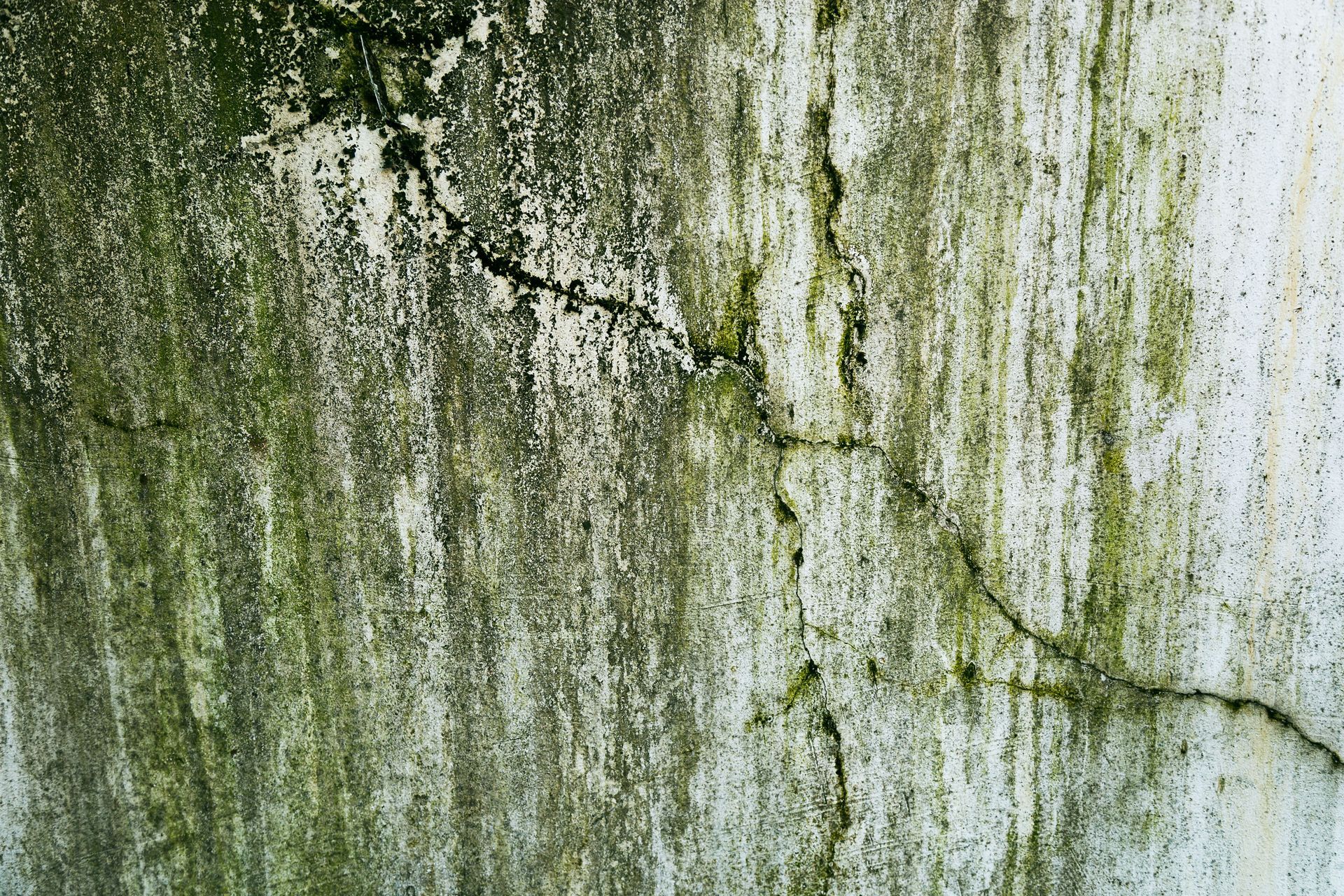
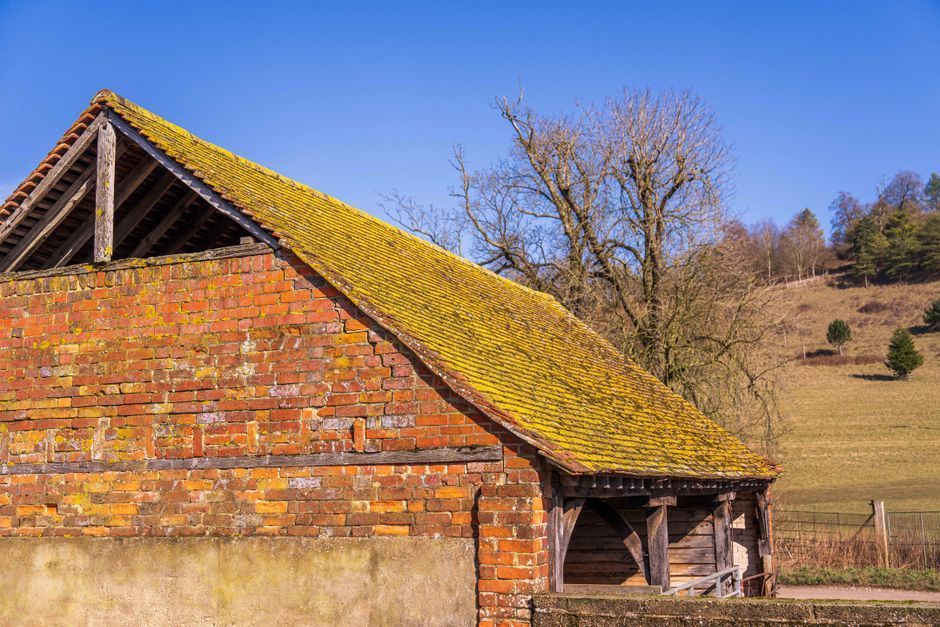
Lichen isn't a single plant, it's two things living together, a fungus and an algae in a partnership. The algae makes food from light while the fungus provides the structure and grip, and together they form that tough, crusty growth you see spreading in patches across the tiles.
This partnership is what makes it so hardy. Lichen survives conditions that would kill off a lot of growth, drying out and reviving with the weather, which is why it clings on through everything a Liverpool winter throws at it. It's built to endure, and that's exactly the problem on a roof.
2. Why it clings so hard
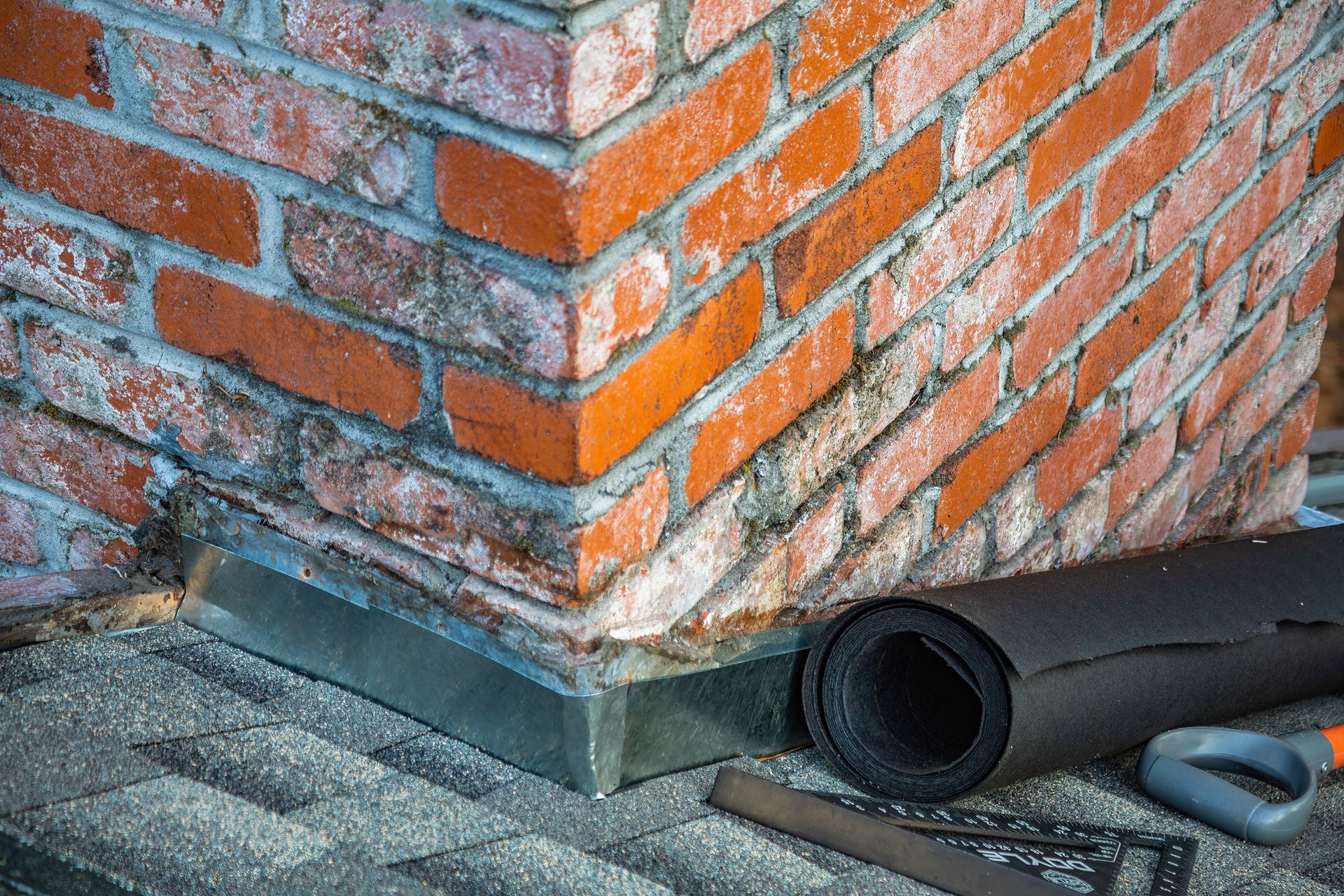
Lichen doesn't just sit on the surface, it anchors into it. The fungal part works its way into every tiny pore and pit in the tile or slate, gripping like roots, so pulling or scraping at it tends to leave bits behind and can damage the surface underneath.
Weathered Welsh slate gives it the perfect grip. The century-old slate on terraces around Toxteth and Wavertree has a rough, pitted surface after all those years of Merseyside weather, and lichen sinks into that texture and holds fast. On a smooth new tile it struggles far more.
3. Why Liverpool's air suits it
Lichen is fussy about air, and oddly it likes clean, damp air, which is what the breezes off the Irish Sea deliver. Combined with the higher coastal rainfall and the constant moisture off the Mersey, that gives lichen the steady damp it needs to establish and spread across a roof.
The exposure adds to it. Roofs that catch plenty of that open, moisture-laden coastal air, like those in Crosby and Waterloo closer to the shore, often carry more lichen than sheltered inland ones. The very things that make the air feel fresh are what feed the growth up top.
4. Why scrubbing and jet washing fail
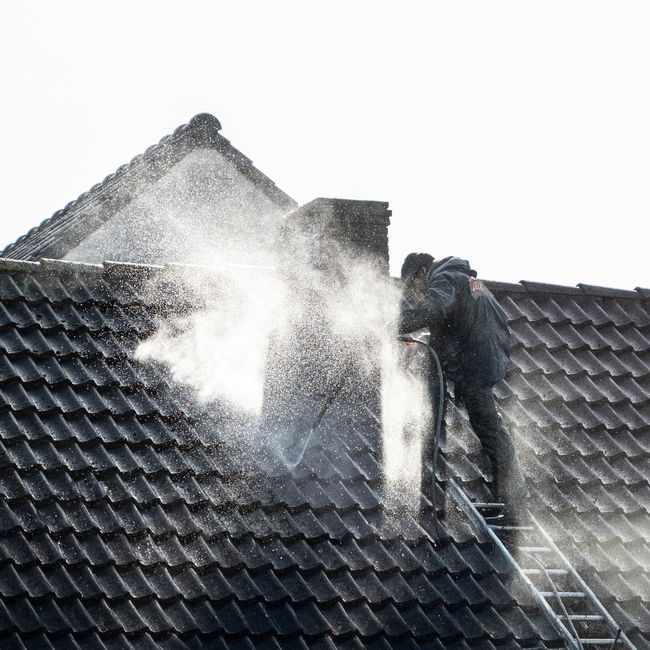
The instinct is to attack lichen head on, but force is the wrong move. Scraping leaves the rooted parts behind so it grows back, and a pressure washer strong enough to blast it off will strip the tile surface and crack aged slate at the same time. You end up with a damaged roof and lichen that returns anyway.
On an older coastal roof that's a real risk. The slate is already brittle and the fixings weakened by salt air, so hammering it with high pressure to shift stubborn lichen does more harm than the lichen ever would. Patience beats force every time here.
5. The treatment approach that works
The way to beat lichen is to kill it, not fight it. A biocide treatment soaks into the growth and breaks it down at the root, and then it needs time. Over the following weeks and months the dead lichen loosens its grip and the weather gradually washes it away.
It's a slower result than moss, and that's normal. Lichen is the toughest customer on the roof, so a single treatment may leave faint traces that clear with a second pass or simply weather off over time. The key is letting the biocide do the work rather than expecting an instant clean.
6. Keeping lichen from taking hold again
Once the roof is clear, a lingering biocide is what keeps lichen from creeping straight back. It stays active in the surface and makes it far harder for new growth to root in, which matters a lot with something as persistent as lichen in a climate that suits it.
Regular care does the rest. Given how well Liverpool's damp coastal air feeds it, keeping the roof on a sensible treatment cycle stops lichen re-establishing the deep hold that made it such hard work the first time. Stay ahead of it and it never gets the chance to dig in.
- Two in one: Lichen is a fungus and algae living together, which makes it exceptionally hardy.
- Rooted grip: It anchors into the tile's pores, so scraping leaves bits behind and damages the surface.
- Loves the air: Clean, damp coastal air off the Irish Sea helps it thrive on Liverpool roofs.
- No brute force: Jet washing cracks aged slate and lichen grows back anyway.
- Treat and wait: A biocide breaks it down over time, then keeps it from returning.
Frequently Asked Questions
What is the crusty growth on my roof?
That's lichen, a tough partnership of fungus and algae. It roots hard into the tile surface, which is why it looks and feels crustier and clings far tighter than moss or algae.
Why won't lichen wash off in the rain?
Because it anchors into the pores of the tile rather than sitting on top. Rain runs right over it, so it needs a biocide treatment to break its grip rather than simply washing away.
Can I scrape or jet wash lichen off?
Best not to. Scraping leaves the rooted parts behind and pressure washing strong enough to remove it will strip and crack aged slate, so treatment is the safer route.
Why does my roof get so much lichen?
Liverpool's clean, damp coastal air and higher rainfall suit lichen well, and weathered slate gives it an ideal rough surface to grip. Exposed roofs near the coast often get the most.
How long does lichen take to clear after treatment?
Longer than moss, often several weeks to months as the dead lichen loosens and weathers off. A second pass or ongoing treatment deals with any stubborn traces.
Battling stubborn lichen on your roof?
Ben's Roof Cleaning treats and clears roof lichen the safe way across Liverpool and Merseyside, with over 15 years of experience. Get in touch or call 0151 541 6960
for a free, no-obligation quote.
Patience and the right treatment win against lichen
Lichen earns its reputation as the most stubborn growth on any roof, but it's not unbeatable. Treat it properly and give it time rather than trying to force it off, and even the crustiest patches let go, leaving your Liverpool roof clean without the damage that a heavy-handed approach would leave behind.