Cleaning a Conservatory Roof Safely in Liverpool
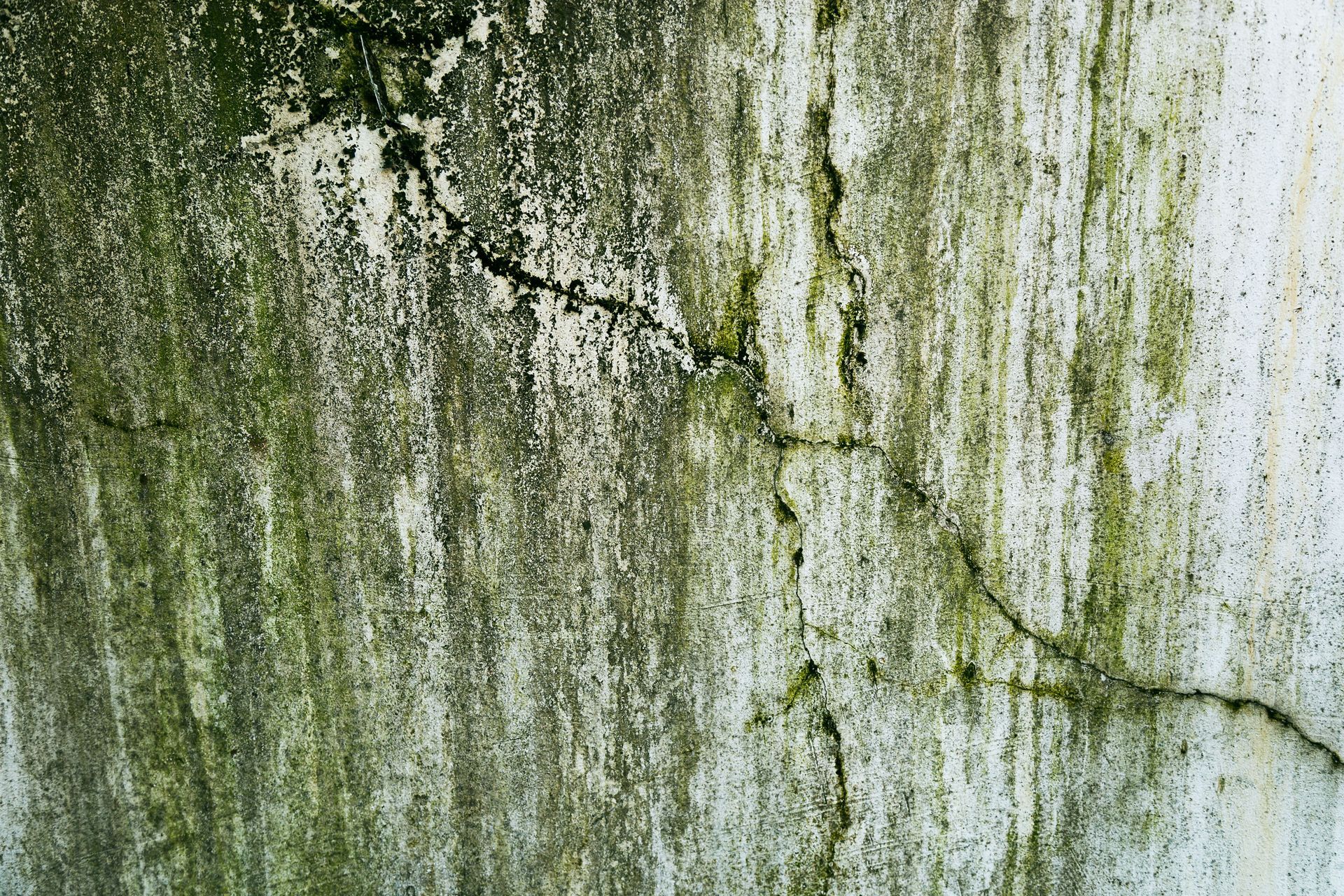
Your conservatory roof takes a quiet beating that you rarely notice until the light coming through it turns green and grimy. You glance up one afternoon and the glass or polycarbonate that used to be clear is streaked with algae, spotted with moss, and coated in whatever the last storm dragged down off the main roof above it.
In Liverpool that happens quicker than most people expect. The damp air rolling in off the Mersey and the Irish Sea keeps everything wet for days at a time, and a low-pitched conservatory roof holds moisture and shade far longer than a steep slate one. Add the leaves and grit that wash down from a Victorian terrace roof in Wavertree or Aigburth, and you end up with a lid that looks tired long before it should.
The quick answer: Clean a conservatory roof with a low-pressure soft wash and a soft brush on an extending pole, working from a ladder or the ground rather than climbing onto the panels, because the frame and glazing bars are not built to hold your weight.
1. Why Conservatory Roofs Get Dirty So Fast
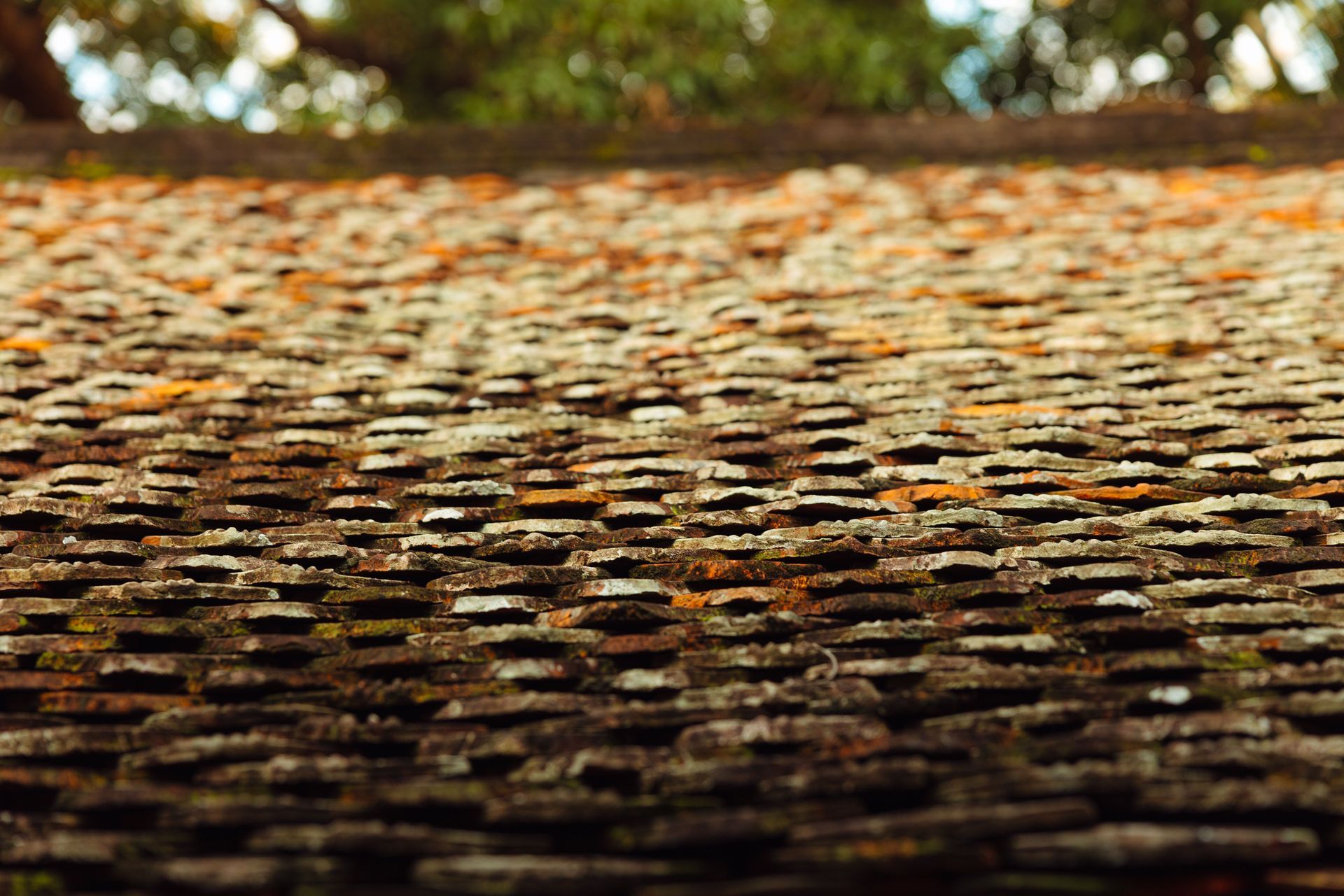
A conservatory roof sits at a shallow angle, so rain runs off slowly and dirt has time to settle. That low pitch is the whole problem. Water lingers in the shallow channels between panels, and where water lingers, algae and moss move in and stay.
Liverpool's weather makes it worse. We get more rain than a lot of England, and the salt-laden wind off the coast carries fine grit that sticks to a wet surface. Homes in shaded spots, like the tree-lined streets around Sefton Park or the back gardens of Kensington terraces, see green film build up within a single autumn.
2. Glass or Polycarbonate: Know What You Have
Before you touch anything, work out what your roof is made of. Older conservatories around Liverpool tend to have twin-wall or multi-wall polycarbonate sheets, which are light, flex under pressure, and scratch easily. Newer ones often use sealed glass units that are tougher on the surface but heavier and less forgiving if a panel cracks.
The material changes how you clean. Polycarbonate hates abrasive pads and strong solvents, both of which cloud it for good. Glass copes better with a firmer touch, but the seals and glazing bars around it are still the weak point, so you treat the whole structure gently either way.
3. The Soft Wash Method, Not the Pressure Washer
Reach for a soft wash every time, never a pressure washer. Soft washing means low-pressure water paired with a biocide treatment that kills the algae and moss at the root, so the green does not simply grow straight back a few weeks later. A pressure washer, by contrast, can force water past the seals, lift the capping, and blast fine scratches into polycarbonate.
The routine is simple. You wet the roof, apply the treatment, agitate gently with a soft brush on a pole, then rinse from the ground. On a two-storey conservatory at the back of an Anfield terrace, a water-fed pole lets you do the whole job without ever putting a boot on the glass.
4. Don't Forget the Gutters and Box Ends
The gutter that runs along the front edge of a conservatory blocks up faster than the main house gutters, because it catches everything sliding off the roof above. Once it fills, water backs up under the capping and finds its way inside, usually showing as a damp patch along the top of a wall or a drip near the frame.
Clear the box ends and the small downpipe while you are up there. On older Liverpool properties where a conservatory was bolted onto a Victorian rear return, these joints are exactly where leaks start, so a quick check now saves a soaked carpet after the next Atlantic storm rolls through.
5. Safety, Ladders and Knowing Your Limits
A conservatory roof will not hold you, and the ground around one is often uneven patio or decking. That combination is where accidents happen. Never kneel or stand on the panels, and never lean a ladder against the guttering, which can pull straight off the wall under load.
If the roof is high, awkward, or slick with algae after a wet Merseyside week, that is the point to stop. Working at height over glass, in the wind that funnels between terraced streets, is not a job to attempt on a wobbly ladder just to save a call-out.
6. How Often and When to Do It
Once a year keeps most conservatory roofs clear, ideally in late spring once the worst of the winter grime has landed. A second light clean going into autumn helps if your conservatory sits under trees, which plenty do across the leafier parts of south Liverpool.
Timing matters with the weather too. Aim for a dry, still day so the biocide has time to work before rain washes it off, and avoid cleaning in strong coastal wind when a pole is hard to control and spray goes everywhere but the roof.
- Method: Low-pressure soft wash with a biocide, never a pressure washer, to protect panels and seals.
- Access: Work from a ladder or the ground with an extending pole, never from on top of the glass.
- Material: Treat polycarbonate especially gently, since abrasives and solvents cloud it permanently.
- Gutters: Clear the conservatory gutter and box ends every time to stop water backing up inside.
- Timing: Once a year, dry and still weather, with a second light clean in autumn under trees.
Frequently Asked Questions
Can I use a pressure washer on my conservatory roof?
No, and it's one of the most common ways people damage a conservatory. The pressure forces water past the seals and scratches polycarbonate, so a low-pressure soft wash is the safe choice.
Will the green come straight back after cleaning?
Not if a biocide is used. A plain water wash lifts the surface dirt but leaves the algae spores behind, whereas a proper treatment kills them at the root and keeps the roof clearer for many months.
Is it safe to walk on a conservatory roof to clean it?
No. The glazing bars and panels are not designed to carry a person's weight, so all cleaning should be done from a ladder or the ground with an extending pole.
How does Liverpool's weather affect how often I should clean it?
The coastal damp and higher rainfall grow algae faster here than in drier parts of the country. Most homes need a clean once a year, and shaded properties near parks or trees often benefit from a second.
Why does my conservatory leak after heavy rain?
Usually a blocked conservatory gutter or box end, which lets water back up under the capping. Clearing debris from those points during a roof clean is often all it takes to stop the drip.
Conservatory roof looking green and tired?
Ben's Roof Cleaning handles conservatory roof cleaning, moss removal, and gutter cleaning across Liverpool and Merseyside, with over 15 years of experience. Get in touch or call 0151 541 6960
for a free, no-obligation quote.
A Clear Conservatory Roof Is Worth the Care
A conservatory should let the light in, not filter it through a layer of green. With the right soft wash approach, a bit of ladder sense, and an eye on those easily blocked gutters, you can keep the roof clear and the room bright through even the wettest Liverpool winter. When the job feels too high or too slick to tackle safely, that is exactly when it pays to hand it to someone who cleans these roofs week in and week out.