How Often Should You Really Clean Your Roof?
You look up at your roof, see a bit of green, and wonder if it's time to do something about it or if you're worrying over nothing. It's one of those jobs that's easy to put off until the moss is thick and the gutters are overflowing.
There's no single answer that fits every house, because how often you clean a roof depends on where you live and what your roof is made of. Here in Liverpool, with the damp coming off the Mersey and the higher coastal rainfall, roofs tend to need attention more often than in drier parts of the country. Let's work out what's right for yours.
The quick answer: Most Liverpool roofs benefit from a proper clean every two to four years, with a quick yearly check of the gutters and any early moss to catch problems before they grow.
1. Why the local climate sets the pace
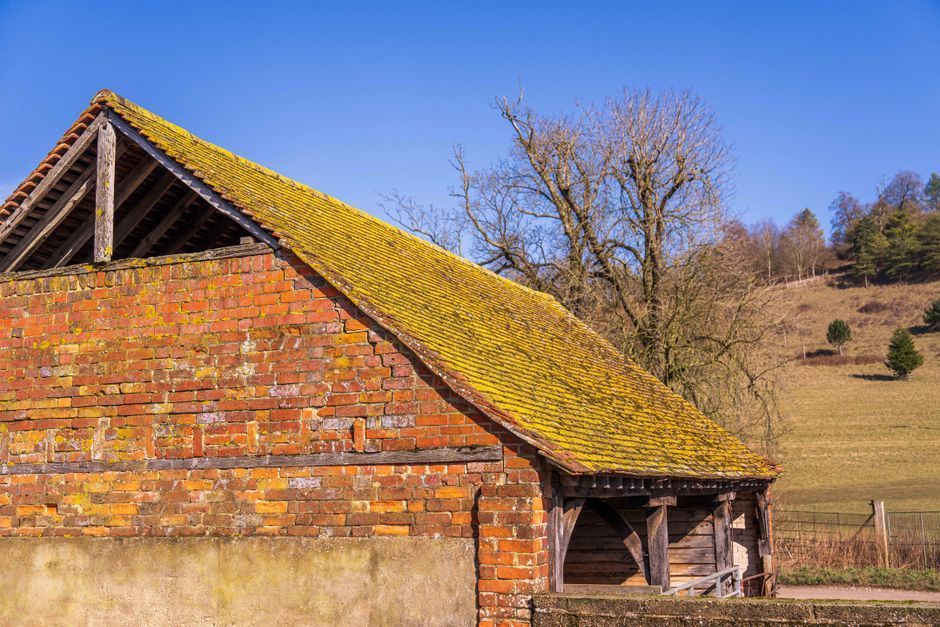
Weather is the biggest factor, and Liverpool's is on the damp side. Wet fronts roll in off the Atlantic and Irish Sea, the rainfall is higher than inland cities, and the salt-laden air keeps roofs moist for long stretches. All of that speeds up moss and algae growth, so a roof here greens up faster than one in a drier spot.
That's why a two to four year cycle suits the area. A roof in a sheltered, sunny position might stretch toward the longer end, while an exposed or shaded one closer to the coast at Crosby or Waterloo often needs a look sooner. The wet climate simply moves everything along quicker.
2. Your tile or slate type matters
What's on your roof changes the timing. The Welsh slate that covers so many Liverpool terraces is dense and long-lasting, but decades of weathering leave the surface rougher, and that texture holds moisture and gives moss a grip. Older concrete tiles behave in much the same way as they age.
Smoother, newer tiles shed growth a little better, so they can go longer between cleans. If you've got original slate on a Victorian terrace in Wavertree or Toxteth, keep a closer eye on it, because that century-old surface is exactly what moss likes to settle into.
3. Trees, shade and which way it faces
Position tells you a lot. A north-facing roof gets far less sun to dry it out, so it stays damp and grows moss faster than a south-facing one on the same street. Two identical houses can be on very different schedules just because of the way they sit.
Overhanging trees add to it. Leaves drop into gutters and hold moisture on the slates, and roofs near the leafy roads around Sefton Park or Calderstones green up quicker for that reason. If your roof sits in shade under trees, plan for the shorter end of the cycle.
4. The warning signs you shouldn't ignore
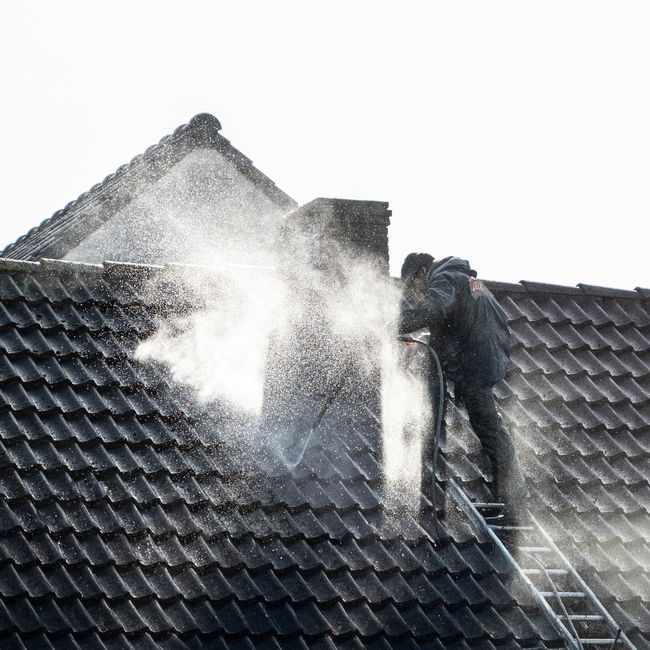
Your roof usually tells you when it's due. Thick green clumps of moss, dark streaks running down the slates, and gutters that overflow when it rains are all signs the growth has gone past a light film. Bits of moss on the ground after wind or rain are another giveaway.
Inside counts too. A damp patch on a top-floor ceiling or in the loft after heavy rain can trace back to moss holding water against the roof or blocking the drainage. On the older terraces around Anfield and Kensington these signs are worth acting on quickly.
5. Why a yearly check beats leaving it
Even if a full clean is a few years off, a quick annual look pays for itself. Clearing the gutters and knocking back early moss each autumn stops small problems turning into the kind of overgrowth that needs a much bigger job to put right.
It's the cheaper path in the long run. Staying on top of a Liverpool roof with light, regular care costs far less than rescuing one that's been left to green over for a decade. A little attention each year keeps everything ticking along.
6. Regular care versus one-off rescues
There are really two ways to look after a roof. You can wait until it's badly overgrown and pay for a heavy one-off clean, or you can keep it maintained with lighter cleans and treatments on a sensible cycle. The second way is easier on the roof and your wallet.
A treated roof also stays cleaner between visits, which stretches the time you can safely leave it. For most Merseyside homes, a clean every couple of years with a biocide treatment and a yearly gutter check keeps things simple and the roof in good shape.
- Every two to four years: A sensible full-clean cycle for most Liverpool roofs.
- Damp climate: Higher coastal rainfall and salt air mean roofs here green up faster.
- Slate holds moss: Weathered Welsh slate and old concrete tiles need a closer eye.
- Shade speeds it up: North-facing and tree-shaded roofs need cleaning sooner.
- Check yearly: An annual gutter and moss check prevents costly overgrowth.
Frequently Asked Questions
How often should I clean my roof in Liverpool?
A full clean every two to four years suits most homes, given the damp coastal climate. Shaded or tree-covered roofs often need it sooner, so a yearly check helps you judge.
Can I leave my roof for ten years?
You can, but you'll likely face a heavy, more expensive clean and possibly damage from years of trapped moisture. Regular lighter care works out cheaper and kinder to the roof.
Does a north-facing roof really need cleaning more often?
Yes. It gets less sun to dry it out, so it stays damp and grows moss faster than a south-facing roof, sometimes needing attention a good year or two sooner.
Is it worth cleaning a roof that only has light moss?
Often it is, because catching it early is cheaper and gentler than waiting for thick growth. A treatment on light moss can keep the roof clear for a long time.
What time of year is best for roof cleaning?
Autumn and spring both work well here. Autumn clears summer growth and leaves before winter, while spring tackles anything the wet months left behind.
Not sure when your roof is due?
Ben's Roof Cleaning checks and cleans roofs on the right schedule across Liverpool and Merseyside, with over 15 years of experience. Get in touch or call 0151 541 6960
for a free, no-obligation quote.
The right schedule is the one that fits your roof
There's no magic number that suits every home, but for most Liverpool roofs a clean every couple of years plus a yearly check keeps moss in its place and the drainage clear. Match the timing to your slate, your shade and your street, and you'll spend far less looking after your roof than fixing one that was left too long.