Cleaning Moss Off a Flat or Low-Pitch Roof in Liverpool
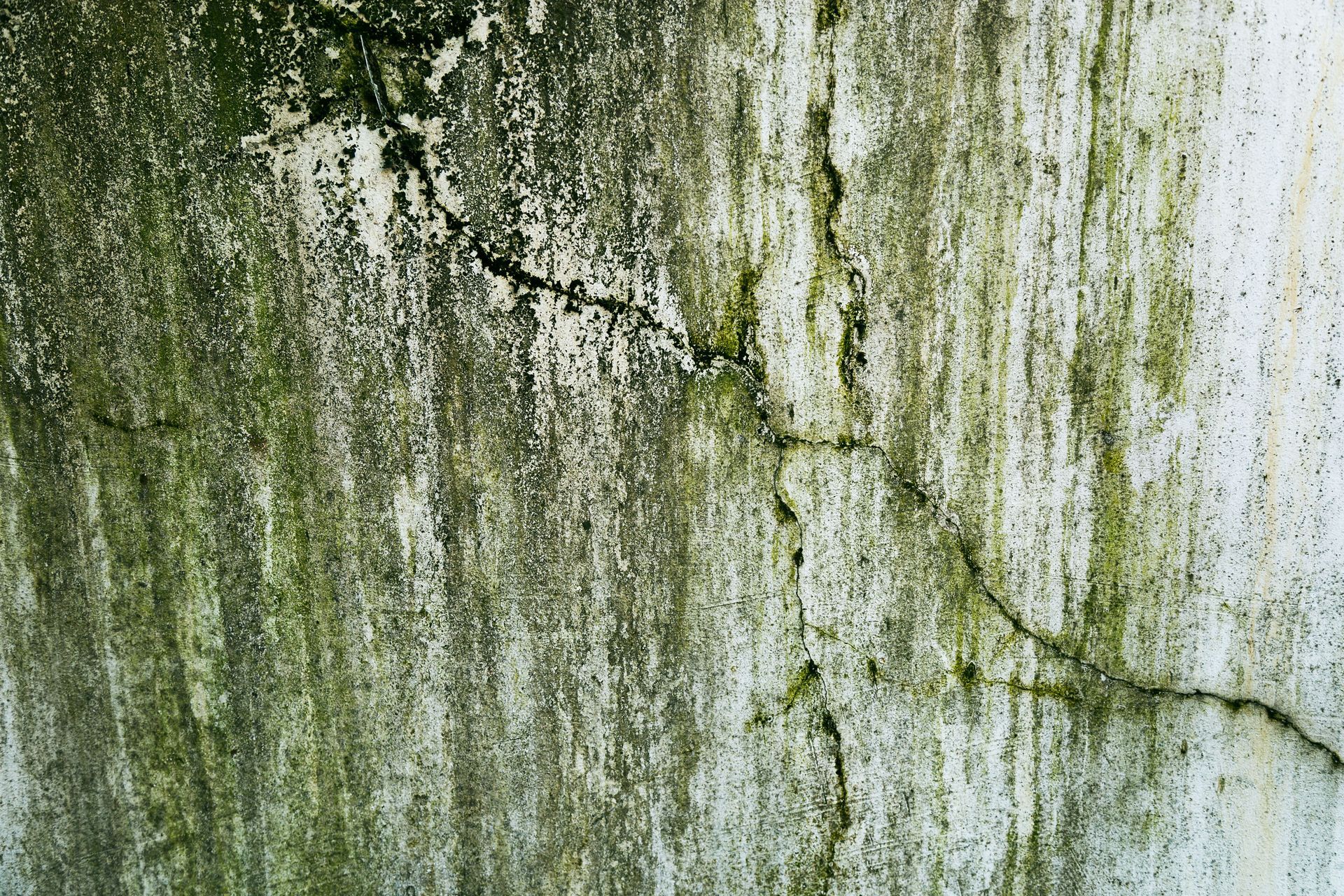
If your flat roof or low-pitch extension has gone green and patchy, you've probably noticed it stays wet long after the rain has stopped. That damp, shaded surface is exactly what moss wants, and on a flat roof the water has nowhere much to run off to.
Flat and low-pitch roofs are all over Liverpool, from the single-storey kitchen extensions behind Wavertree terraces to garage roofs and dormers across Aigburth and Allerton. They take a real hammering from the wet Atlantic weather, and moss on that kind of roof is more than a cosmetic thing. Left alone it holds moisture against the covering and quietly shortens the life of the whole roof.
The quick answer: Clean moss off a flat or low-pitch roof with a gentle soft wash, meaning low-pressure water plus a biocide treatment, and never a jet wash, because high pressure lifts the covering and forces water into the seams.
1. Why flat roofs grow moss so much faster
Water is the whole story here. A steep slate roof sheds rain in seconds, but a flat or low-pitch roof lets it sit, and Liverpool gets more than its share of rain rolling in off the Irish Sea. That standing damp gives moss spores the constant moisture they need to take hold and spread.
Shade makes it worse. Plenty of flat extensions sit in the shadow of the main house or a boundary wall, so the sun never really dries them out. On a north-facing garage roof in Kensington or Old Swan you can watch a thin green film turn into thick spongy clumps over a single damp winter.
2. Why a jet wash is the wrong tool
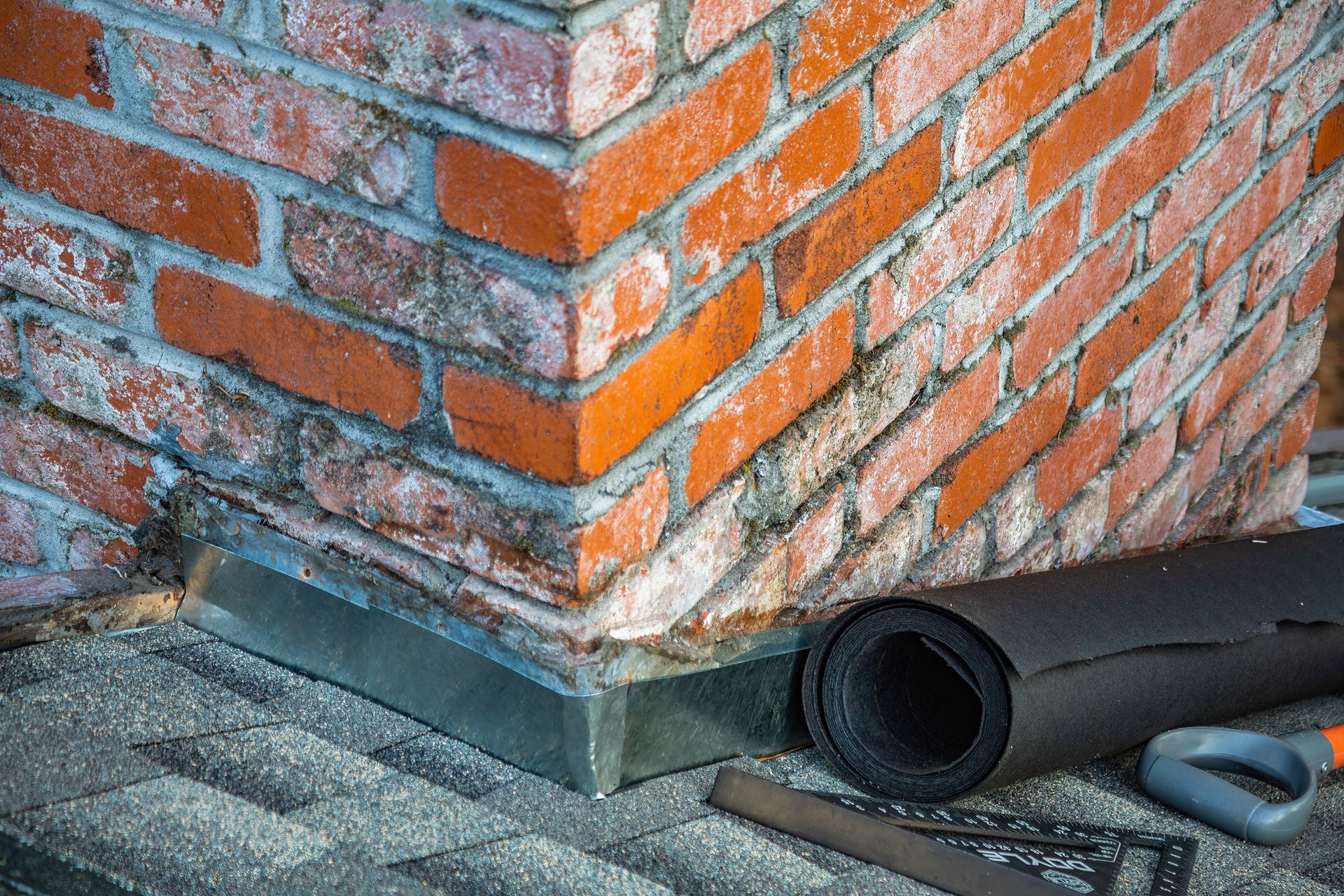
It's tempting to blast the green off with a pressure washer, and you'll see the moss fly. The trouble is what the water does underneath. Felt, EPDM rubber and old asphalt coverings all rely on sealed seams, and a high-pressure jet drives water straight under them and lifts the surface layer of any mineral finish.
Soft washing does the opposite. Low-pressure water lifts the loose growth, and a biocide treatment kills off what's left down to the root so it doesn't just grow straight back. On the salt-laden, wind-battered roofs you get near the Mersey, keeping that covering intact matters far more than getting an instant sparkle.
3. The step-by-step of a proper flat roof clean
A good clean starts with a look, not a hose. We check the covering for splits, blisters and lifting seams first, because pushing water at a roof that's already tired just makes a small fault a big one. Once we know it's sound, the bulk of the moss comes off by hand and with gentle scraping.
Then comes the soft wash. Low-pressure water clears the debris, and the biocide goes on to deal with the spores you can't see. It's slow, careful work, and on a typical Toxteth extension roof it's worth every minute because it protects the surface instead of wearing it down.
4. Clearing the drainage as you go
Moss never stays on the roof. It breaks up, washes toward the outlets and packs into the gullies and gutters, and on a flat roof a blocked outlet means water pools where it should be draining away. That pooling is one of the fastest ways to ruin a covering.
So the drainage gets cleared as part of the job. Outlets, gullies and the gutters on the surrounding pitched roof all need checking, especially on the older terraces around Anfield where cast-iron and shared guttering clogs easily. Clear water off the roof and you've solved half the moss problem before it starts.
5. What moss does if you leave it
Moss acts like a sponge. It holds water against the roof covering for days, and in a Liverpool winter that trapped water freezes, expands and works away at seams and mineral finishes. Over a few seasons that freeze-thaw cycle opens up cracks that let damp into the room below.
There's a weight issue too. A thick moss mat soaked with rain is surprisingly heavy, and on an older low-pitch roof that's extra load it was never really designed for. A ceiling stain in the back bedroom of an Aigburth semi often traces straight back to moss that was ignored for a few years too long.
6. Keeping it clean after the wash
The biocide is what buys you time. Once the moss is off, that treatment keeps working in the surface for months, so the spores landing on your roof through the next wet spell struggle to get going again. It's the difference between a roof that stays clear and one that's green again by spring.
A yearly look does the rest. Given how much rain and salt air Merseyside roofs deal with, a quick check each autumn to clear early growth and confirm the outlets run freely keeps a flat roof in good order for far longer than leaving it to fend for itself.
- Method matters: Soft washing protects flat coverings, while pressure washing forces water into the seams.
- Drainage first: Clear outlets and gullies so water leaves the roof instead of pooling on it.
- Biocide is the payoff: It kills moss at the root and slows regrowth through the wet months.
- Watch the weight: A soaked moss mat is heavy and stresses an older low-pitch roof.
- Check yearly: An autumn look catches early growth before a Liverpool winter sets in.
Frequently Asked Questions
Can I just scrape the moss off myself?
You can lift the worst of it, but scraping alone leaves the spores behind so it grows straight back. Working at height on a wet flat roof is also risky, and one slip on a slick surface isn't worth it.
Will pressure washing damage my flat roof?
Usually yes, especially on felt or EPDM. High pressure lifts seams and mineral finishes and drives water underneath, which is why a low-pressure soft wash is the safer choice on any flat or low-pitch covering.
How often should a flat roof be cleaned in Liverpool?
Around once a year suits most homes here given the rainfall and damp coming off the Irish Sea. A quick autumn check keeps early growth from turning into thick clumps over winter.
Does moss really shorten a roof's life?
It does. By holding water against the covering it speeds up freeze-thaw cracking and rot, so clearing it early protects the roof and delays a much bigger repair bill.
Is a biocide treatment safe to use?
Applied properly at the right strength it's fine for the roof and the drainage. It keeps working in the surface for months, which is what keeps the moss from bouncing straight back after a clean.
Got a green flat roof that needs sorting?
Ben's Roof Cleaning cleans moss off flat and low-pitch roofs the safe way across Liverpool and Merseyside, with over 15 years of experience. Get in touch or call 0151 541 6960
for a free, no-obligation quote.
A clean flat roof is a roof that lasts
Moss on a flat or low-pitch roof isn't just an eyesore, it's slow damage building up under the surface. Clearing it gently and treating it properly gives your roof the best shot at shrugging off another wet Merseyside winter, and that's time and money kept in your pocket rather than spent on a covering that failed early.